
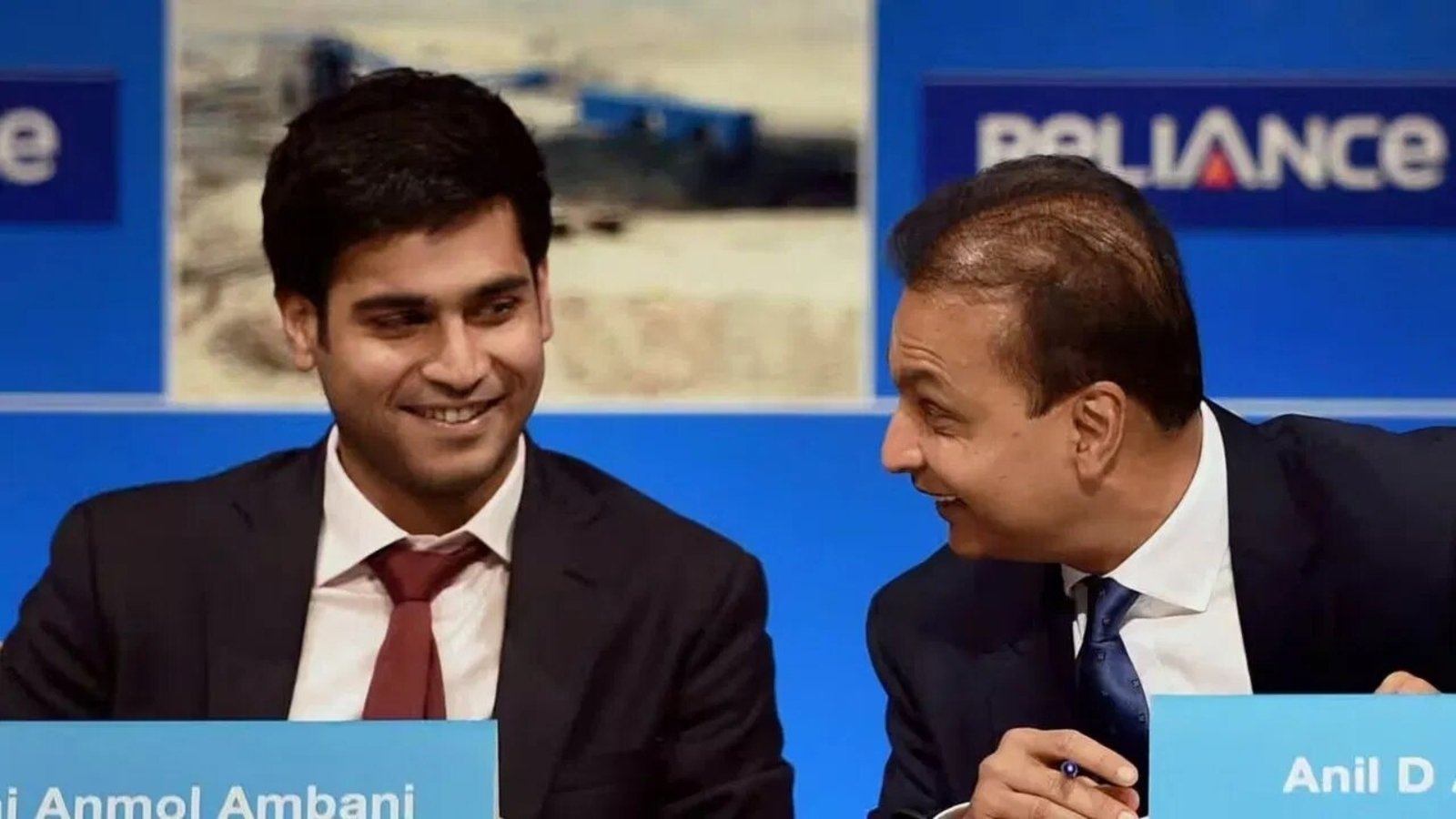
The spotlight has once again turned towards the corporate world as the Central Bureau of Investigation (CBI) has registered a case involving a significant banking fraud amounting to ₹228.06 crore. Among those named is Jai Anmol Ambani, the son of industrialist Anil Ambani. The allegations have stirred widespread discussion across political, financial, and regulatory circles, signalling yet another chapter in India’s ongoing battle against white-collar crime.
Background of the Case
The CBI took cognizance of a complaint filed by a public-sector bank alleging that the accused engaged in cheating, criminal conspiracy, and criminal misconduct, ultimately causing a wrongful loss of ₹228.06 crore to the bank. According to the complaint, the loan facilities extended to the concerned entities were misused, misrepresented, or supported by questionable documentation, raising suspicion of systematic irregularities.
The naming of Jai Anmol Ambani has amplified the matter as it connects the case with one of India’s well-known business families. While the investigation is ongoing, the mere inclusion of a high-profile individual has drawn intensive media scrutiny and public debate.
The Allegations in Detail
The complaint lodged with the CBI outlines multiple layers of alleged misconduct. The bank claims that the involved companies and individuals conspired to secure credit facilities through misleading financial statements and misrepresented business operations. Once the loans were disbursed, the funds were allegedly diverted or not utilised for the stated purpose, causing the bank to classify the account as a non-performing asset (NPA).
Key accusations include:
-
Cheating by misrepresenting financial conditions
-
Criminal conspiracy involving multiple individuals
-
Criminal misconduct, which may include falsified records or diversion of funds
-
Wrongful gain to the borrowers and wrongful loss to the bank amounting to ₹228.06 crore
The exact nature of Jai Anmol Ambani’s involvement will be determined through the investigation process, but his inclusion in the FIR indicates that the agency has found preliminary grounds to explore his role.
CBI’s Role and the Investigation Process
The CBI, India’s premier investigative agency for complex economic offences, initiates inquiries based on detailed complaints, forensic audits, and referral from banks and regulatory authorities. In this case, the bank’s internal audit reportedly raised red flags after observing irregularities in loan utilisation and repayments.
Once alerted, the CBI registered a formal case, allowing it to summon individuals, gather documents, conduct searches, and analyse financial trails. Banking fraud cases often involve long, intricate investigations due to the nature of corporate structures, layered transactions, and involvement of multiple stakeholders.
The law mandates that any criminal charge must be backed by sufficient evidence, and the CBI’s next steps will include questioning those named, verifying internal bank processes, and tracing the funds’ end-use to establish intent and culpability.
thefinanceinsiders.com | theindustrialis.com | fellowmagazine.com
tiptokart.com | useyourspeak.com
Impact on Corporate Governance and Public Trust
High-value banking frauds have long-lasting implications not only for financial institutions but also for the broader corporate ecosystem. Cases involving influential business families evoke strong public reaction due to the perceived dilution of accountability.
This case has further intensified conversations around corporate governance, transparency, and regulatory oversight. Banks are under increasing pressure to strengthen due diligence procedures and implement stronger early-warning systems to detect potential misuse of loans.
Similarly, companies are expected to maintain clean financial practices, strong internal controls, and ethical compliance frameworks to reassure stakeholders. Any allegation of misconduct adversely impacts investor confidence, brand reputation, and market perception—even before legal guilt is established.
Wider Context: Banking Frauds in India
India has witnessed several large-scale banking frauds over the decades, prompting stricter laws and tighter regulatory supervision. Public-sector banks, in particular, have dealt with mounting NPAs due to mismanaged or fraudulent credit disbursal.
This case aligns with a larger trend where investigative agencies are increasingly active in tackling economic offences. The government’s emphasis on financial transparency and accountability has contributed to a growing number of probes into corporate loan defaults and irregularities.
Legal and Reputational Ramifications
For those named in such cases—especially public figures—the consequences extend beyond legal complications. Even an accusation can affect professional relationships, public image, and business prospects.
The Indian legal system allows every accused individual the right to defend themselves, and guilt is determined only after a thorough trial. Until then, the allegations remain part of the investigative process.
For Jai Anmol Ambani, the case represents a significant challenge. As a member of the younger generation of the Ambani family, his business profile stands directly impacted by the development. His response, legal defence, and cooperation with the investigative process will shape how the situation unfolds.
What Lies Ahead
The CBI will continue to scrutinise bank documents, financial statements, loan utilisation reports, and related corporate records. If evidence supports the allegations, the case could proceed to prosecution under sections related to cheating, criminal conspiracy, and corruption.
If not, the agency may drop charges or modify them depending on the findings. The court’s role will be crucial in evaluating evidence and determining culpability.
Meanwhile, the banking sector is likely to face renewed calls for enhanced transparency, risk assessment procedures, and timely loan monitoring to prevent similar incidents.
Conclusion
The naming of Jai Anmol Ambani in a ₹228 crore banking fraud case marks a significant development in India’s financial and corporate landscape. It reinforces the importance of accountability, transparency, and ethical practices in business operations. While the investigation continues, the case serves as a reminder that economic offences, whether involving high-profile names or lesser-known entities, have wide-ranging implications for the financial ecosystem.
Public institutions, private corporations, and regulatory bodies must work together to ensure the integrity of financial transactions, strengthen oversight mechanisms, and restore public trust. The outcome of this case will be watched closely, not just for its legal consequences but also for the message it sends about corporate responsibility in India.
